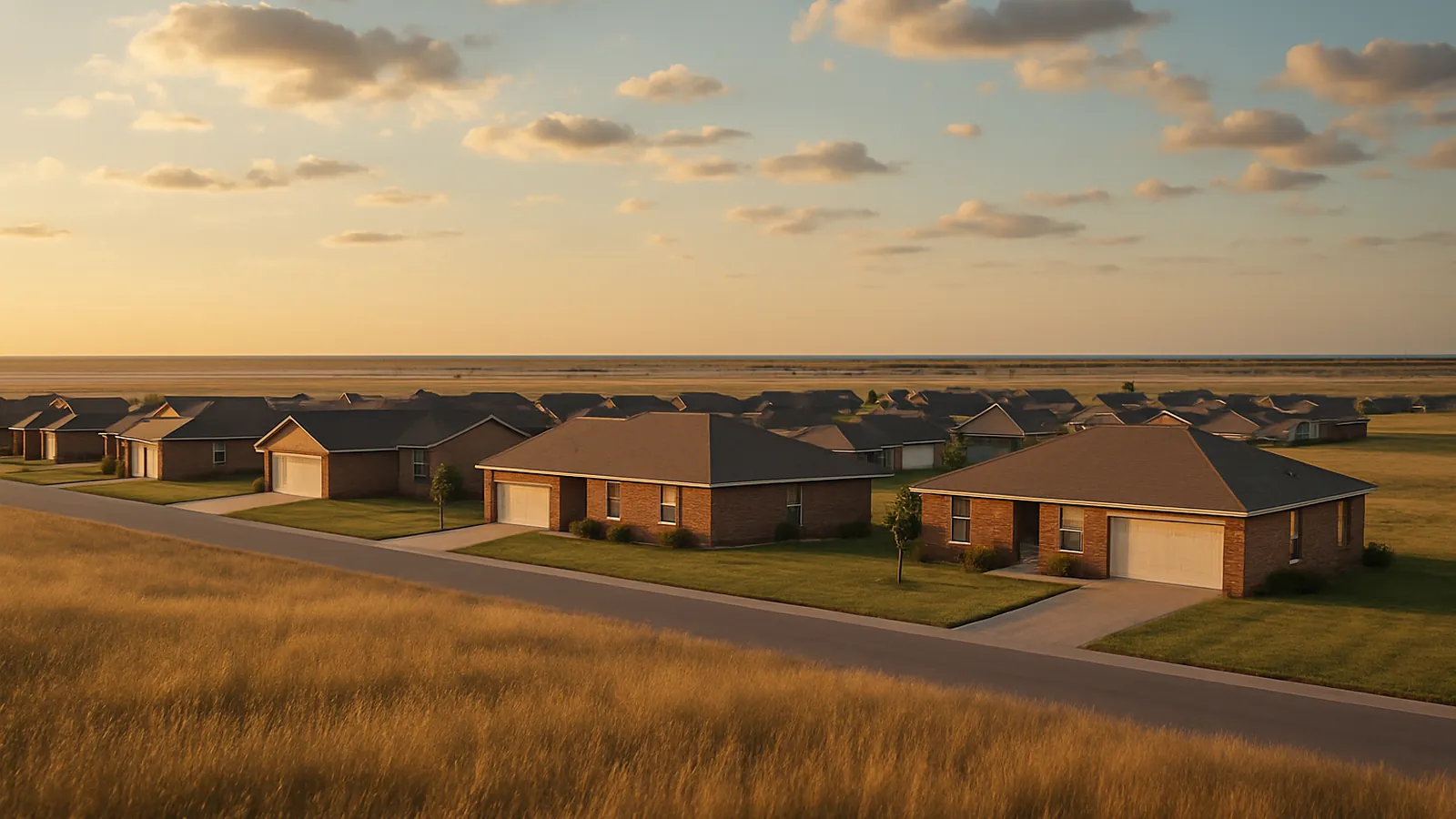
Concrete leveling in Fayetteville costs $500–$2,500 for driveways, patios, walkways, and porch slabs. Polyurethane is injected through small ports to fill the space beneath and lift the slab to grade — and on karst ground, the material the void takes is often larger than the visible drop suggests.
What leveling is and is not, when a sunken slab is reporting something bigger, and how to keep a lift from repeating.
What leveling actually does
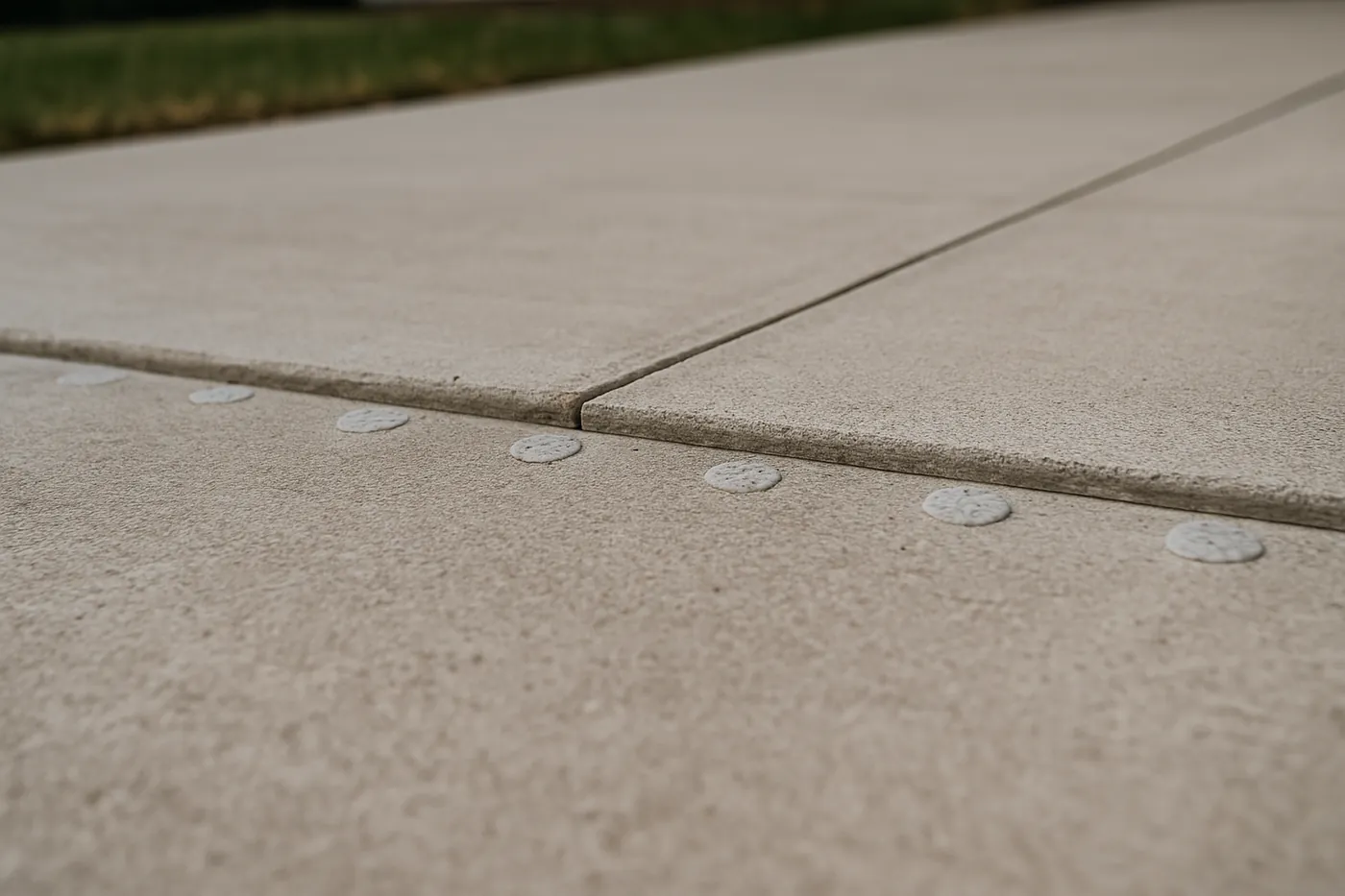
Small ports are drilled through the slab, expanding polyurethane is injected, and the material fills voids and raises the concrete in controlled increments while a crew watches the surface. The ports are patched. Most residential flatwork is back in service the same day, and vehicles can usually return within hours rather than days.
Foam suits this market for a specific reason: it is light. Mudjacking pumps a heavy slurry into ground that, in Northwest Arkansas, may already be losing material below. Adding weight to questionable support is the wrong direction. Foam achieves the lift without the load.
Where leveling stops and foundation repair begins
Leveling is for flatwork. It restores the surface and fills space beneath it. It does not provide engineered load transfer to competent bearing, and it is not a substitute for piering when a house has settled. If someone offers to solve your home’s movement with foam alone, ask what design capacity it provides and who stamped it.
The one overlap worth understanding is void filling under a house slab, which uses similar injection but for a structural purpose and with measurement discipline the flatwork job does not require.
When the driveway is telling you something
Most sunken flatwork is ordinary: poorly compacted base, a trench nobody tamped, water eroding under an edge. Occasionally it is not. On karst ground, a depression that returns after being filled — or one that grows in the same spot each wet season — can mean soil is still migrating into openings below.
The check takes minutes: run floor elevations inside the house and see whether the structure shows the same pattern in the same direction. If it does not, lift the concrete and get on with your day. If it does, you have found the real problem well before it became expensive.
What cannot be lifted
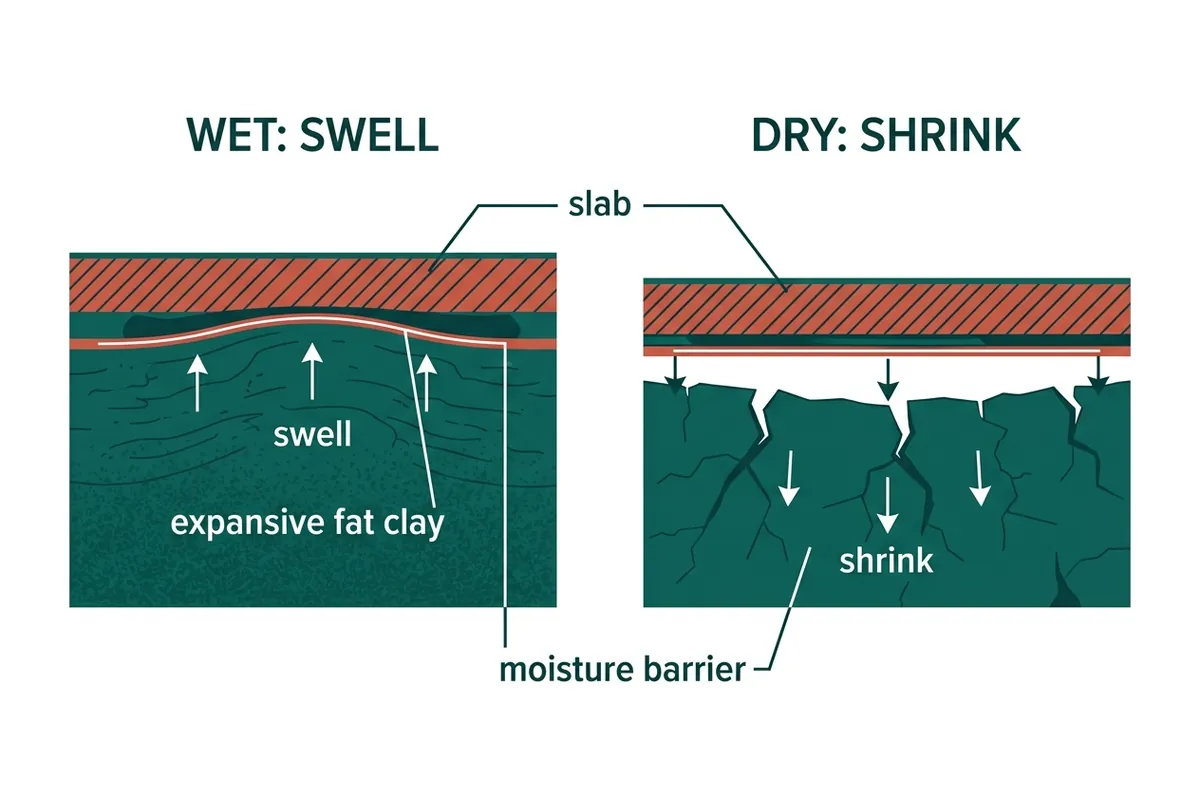
Some flatwork is past saving, and it is fairer to say so before taking a deposit. A slab broken into many pieces has no structural continuity left to raise as a unit — lifting it produces a mosaic rather than a surface. Concrete that has spalled badly, delaminated, or lost its top layer to freeze-thaw damage will still be failing after a perfect lift.
The rough test is how many pieces the slab is in and whether the pieces are sound. Two or three clean sections that meet flush after lifting are a good candidate. Ten fragments with crumbling edges are a replacement, at a cost that has nothing to do with the numbers on this page. Ask which one you have during the visit rather than after the ports are drilled.
Protecting the lift afterward
The fill is permanent. The cause is what recurs. A downspout discharging at the slab edge will undermine the new fill exactly as it undermined the old base, and a driveway that drops toward the garage will keep collecting the water that started this. Ask the specialist to identify the contributing condition while on site; the correction is usually a drainage item measured in hundreds. Every price is listed in the cost guide, alongside the structural work if the check inside the house turns up something.
Lift it, support it, or replace it?
The Ozark Plateau adds a step other markets skip: before lifting anything, you need to know whether the ground under the slab is soil or a karst void that used to be soil.
| Option | What it does | The local deciding factor |
|---|---|---|
| Foam injection | Ports drilled, expanding foam raises the panel | Fine over clay pockets; over a karst void the foam vanishes into the ground |
| Slurry pumping | A cement mix floats the slab back to grade | Same caution — slurry can pour into a cavity for a long time before anything lifts |
| Piered support | Load carried to firmer ground before resetting | Slab stabilisation over karst here pairs piering with void filling — the state's distinctive leveling problem |
| Tear-out and repour | The panel is replaced rather than lifted | Right where dissolution has taken enough ground that the panel is beyond saving |
Soil type changes within a single lot here, so two panels ten feet apart can need two different answers. That is not upselling; it is Ozark geology.
Concrete leveling questions, straight answers
What does concrete leveling cost in Fayetteville?
Slab lifting for driveways, patios, walkways, and porch slabs generally runs $500-$2,500 depending on area and how much material the void takes. Over karst the material take is the wildcard, because the space under a sunken slab can be larger than the visible drop suggests. Reputable quotes state a rate per unit of material, not just a flat number.
Is concrete leveling the same as foundation repair?
Concrete leveling isn't the same as foundation repair. Leveling lifts flatwork - drives, patios, walks, garage and porch slabs - back to grade by injecting material beneath it. It does not provide engineered load transfer for a house. If your home's floors are out of level, that is a piering or void-filling question, and foam alone is not the answer.
Can a sunken driveway be a warning sign?
Sometimes, and it is worth taking seriously here. Flatwork that keeps dropping in the same spot, or a depression that reappears after being filled, can indicate soil continuing to move into subsurface openings. If the sinking recurs, the useful next step is checking whether the house is showing the same pattern rather than just lifting the concrete again.
How long does the lift last?
The material itself does not wash out or decompose, so the fill is durable. What ends a lift early is the condition that caused it - a downspout eroding the base of the slab, a trench that was never compacted, or ongoing soil loss below. Ask about whichever applies while the specialist is on site, because a $600 drainage fix protecting a $1,800 lift is the better purchase.
Mudjacking or polyurethane foam?
Foam is lighter, cures in minutes, uses smaller ports, and does not add significant weight to soil that is already having trouble - which is the relevant argument on this ground. Mudjacking uses a heavier cementitious slurry and larger holes. For most residential flatwork in Northwest Arkansas, foam is the better fit.
Get a Fayetteville foundation evaluation
Tell us what the house is doing — a crack that keeps growing, a door that quit latching, a floor that dips toward one corner — so the evaluation starts from what you have seen. A local specialist serving Fayetteville calls you back.