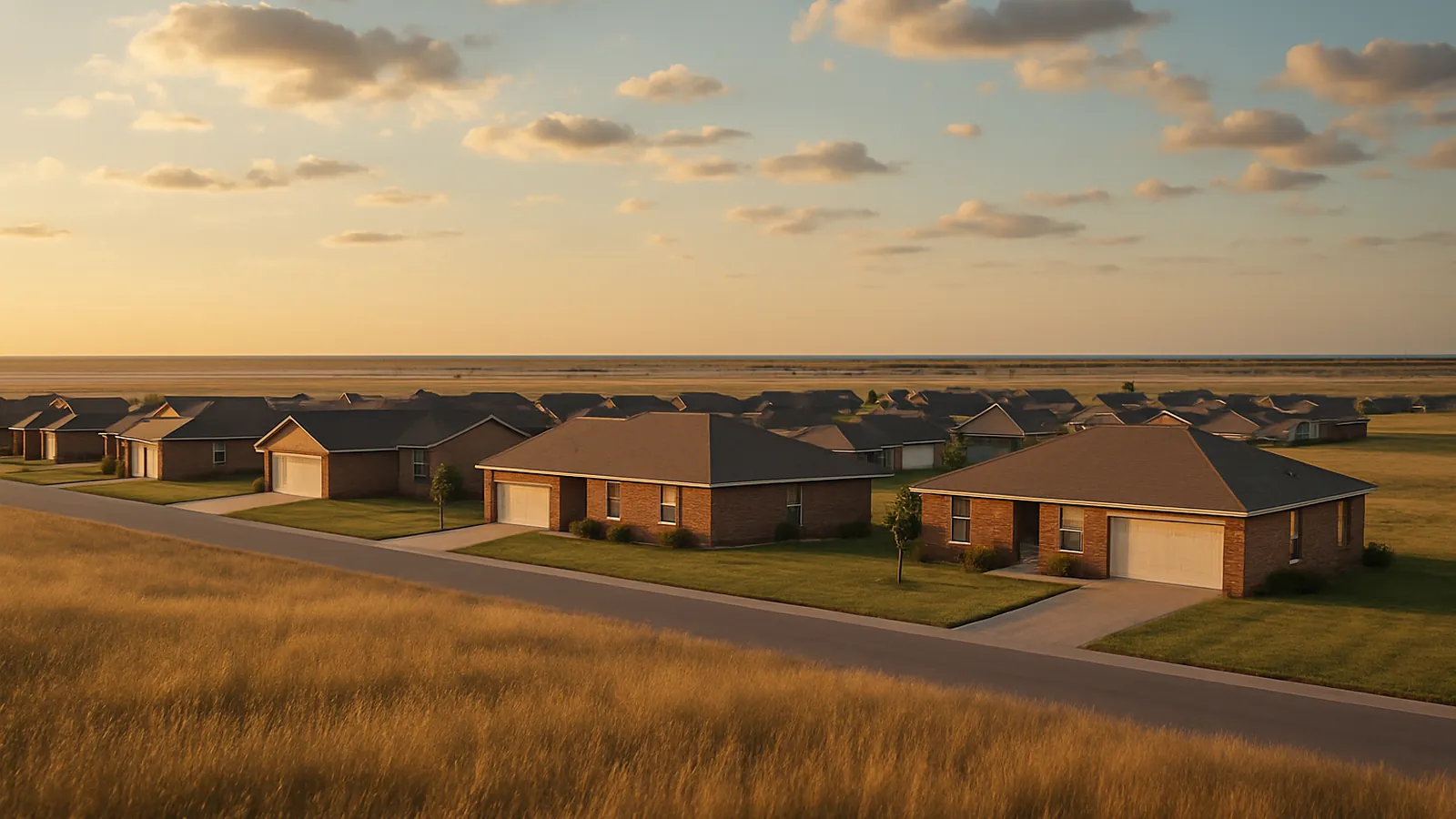
Slab foundation repair in Fayetteville runs $3,500–$12,000. Over Ozark karst, the distinctive step is void filling — water carries soil down into limestone openings, leaving the slab spanning empty space, so the void is filled before anything is lifted or piered.
How soil disappears beneath a slab here, how a void is measured rather than guessed at, and the order the work has to happen in.
Soil piping is the mechanism
Fayetteville averages about 47.2 inches of precipitation a year in the National Weather Service record for Drake Field. On most ground that water either runs off or percolates. On karst, some of it finds fractures in the limestone and keeps going — and it takes fine soil with it. Over years, that steady removal opens a space beneath the slab where soil used to be.
Nothing about the house causes this and nothing about the concrete prevents it. The slab is simply the last thing left over the hole. Homeowners usually notice it as a crack that appeared suddenly rather than gradually, a floor that has developed a dish in one area, or a slab section that sounds hollow when you walk it.
Why the void has to be filled before the lift
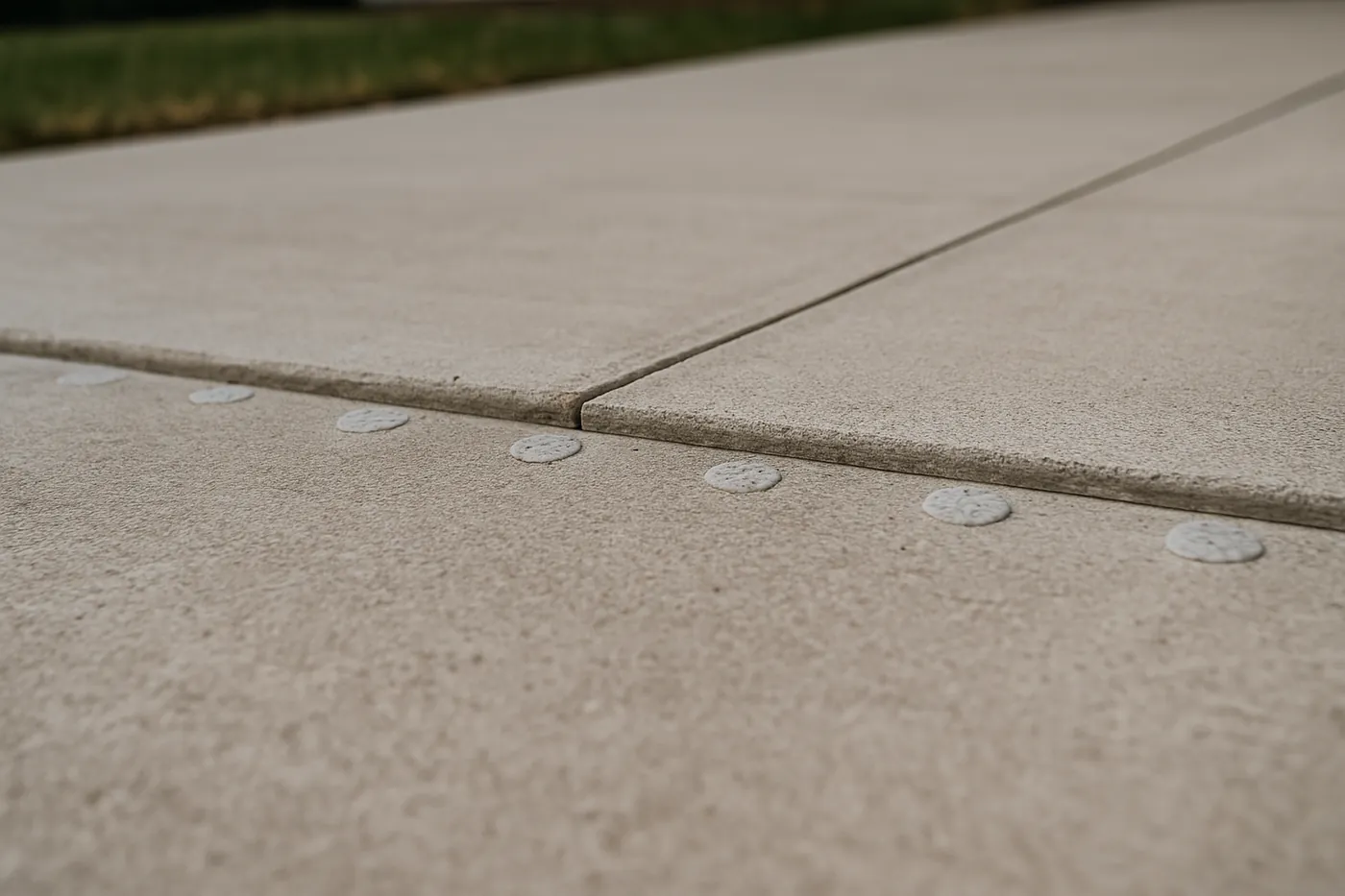
Lifting requires something to push against. Inject lifting material under a slab with an open void beneath it and the material fills the void first, at whatever cost that takes, before any lift begins. Crews who have not measured the void discover this mid-job, and that is where the change orders come from.
Measuring first turns it into arithmetic. Small ports are drilled, probed for the depth where resistance stops, and material take is recorded during injection. The result is a void volume, and volume times rate is a price. It is the one line item on a Northwest Arkansas slab quote that honestly cannot be fixed in advance — so the right way to sell it is to state the rate, not to pretend to know the total.
What each slab symptom usually means
| What you see | Likely cause here | Typical response |
|---|---|---|
| Hollow sound underfoot, dish in the floor | Void from soil piping into limestone | Probe, fill by measured volume, then evaluate lift |
| One corner down, cracks widening toward it | Support loss or a soil-filled low in the bedrock | Piering to competent rock |
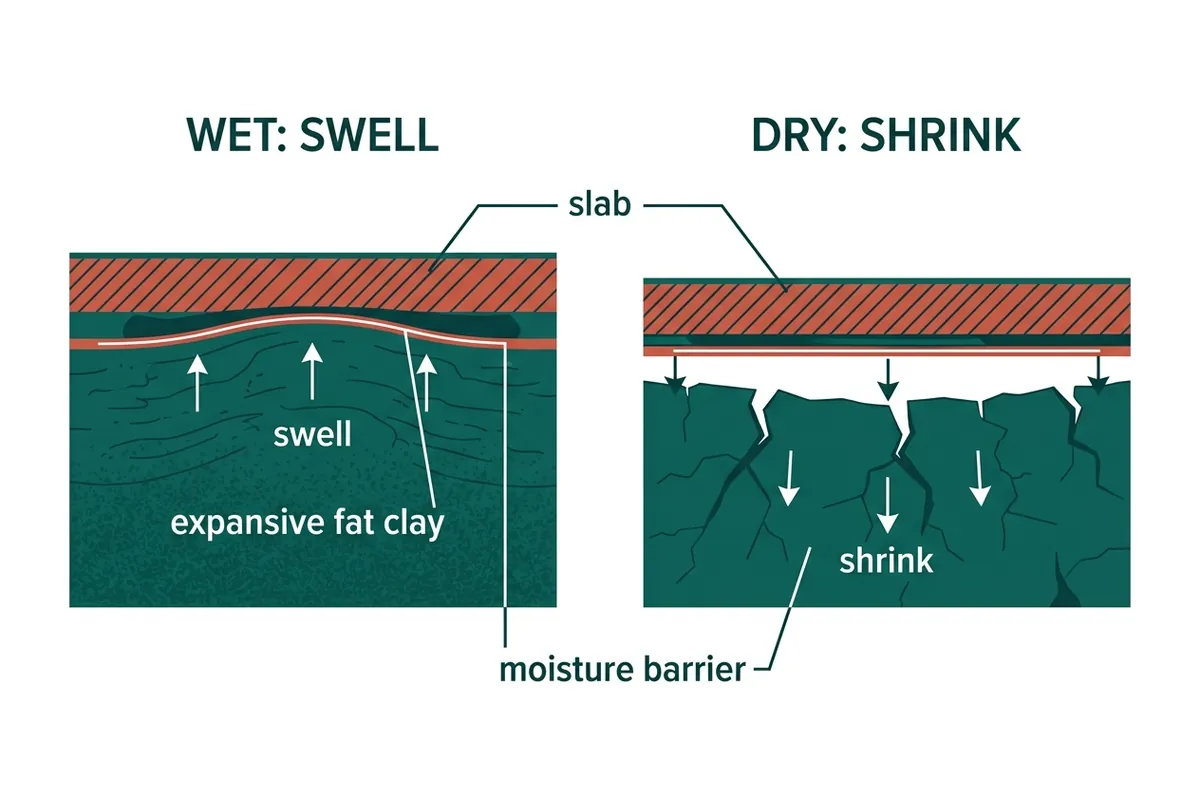
| Interior floor high in the center, doors binding | Clay pocket swelling after a wet stretch | Moisture control, then reassess |
| Hairline map cracking, no elevation change | Shrinkage during curing | Seal it, monitor, no structural work |
| A depression opening in the yard nearby | Active subsurface soil loss | Stop water infiltration first, then investigate |
The sequence that holds
Diagnosis, then support, then cosmetics — in that order, every time. A slab crack filled before the bearing under it is restored will reopen at the same line, and the homeowner will reasonably conclude the repair failed when in fact the repair was performed on the wrong problem. Floor elevation readings come first, then probing where readings suggest lost support, and the cosmetic work waits until movement has stopped.
Slab repair questions, straight answers
What does slab foundation repair cost in Fayetteville?
Slab work generally runs $3,500-$12,000, with the range driven by how much of the perimeter needs support and whether a void has to be filled first. Void filling is priced by measured volume rather than by the job, because nobody knows how much space is under a slab until it is probed. A fixed void-filling price quoted before measurement is a guess.
Why does a Fayetteville slab need void filling at all?
Because on karst ground the soil under a slab can leave. Water moving through fractured limestone carries fine soil down into the openings - a process called piping - and the slab is left spanning an empty space. Lifting a slab that has nothing beneath it just moves the problem; the void has to be filled so the lift has something to bear on.
How do you know there is a void under my slab?
Probing and drilling. A rod pushed through a small port meets soil or it meets air, and the depth where resistance disappears tells you the void's top. Injection pressure and material take confirm it: a slab over a void accepts far more grout than the same slab over soil. That measurement is what turns void filling from a sales line into a priced scope.
Can a slab crack be repaired without addressing what is under it?
It can be filled, and it will crack again in the same place if support is still missing. Crack repair restores the concrete; it does not restore bearing. The sequence that holds is diagnosis first, then support - void filling or piering - then cosmetic repair of the crack last, once movement has stopped.
Is post-tension slab repair different?
Post-tension slab repair is different, and it matters for newer Northwest Arkansas construction. Post-tension slabs carry steel tendons under high tension, and cutting or drilling into one without locating the tendons first is dangerous and expensive. Any port drilling on a post-tension slab has to follow the tendon layout. Tell your contractor the slab type before anyone brings a drill.
Get a Fayetteville foundation evaluation
Tell us what the house is doing — a crack that keeps growing, a door that quit latching, a floor that dips toward one corner — so the evaluation starts from what you have seen. A local specialist serving Fayetteville calls you back.