Foundation repair in Springdale runs $4,000–$15,000, with piers commonly $1,200–$3,000 each. On Ozark karst, water carries soil down into limestone openings, so support is lost rather than cycled. The evaluation includes floor elevation readings across the whole house.
The springs are the tell
Springdale takes its name from the springs that surface here, and a spring is not a decorative feature of the landscape. It is the visible end of a plumbing system running through limestone: water enters the rock somewhere uphill, travels through dissolved joints and conduits, and comes back out where the geometry lets it.
For a homeowner, the relevant part is what happens in between. Water moving through those openings can carry fine soil with it, and soil that leaves from under a footing does not come back. That is why where your downspouts discharge matters more here than it would in a market where a bad downspout only produces a damp crawl space.
Two eras of housing, two failure patterns
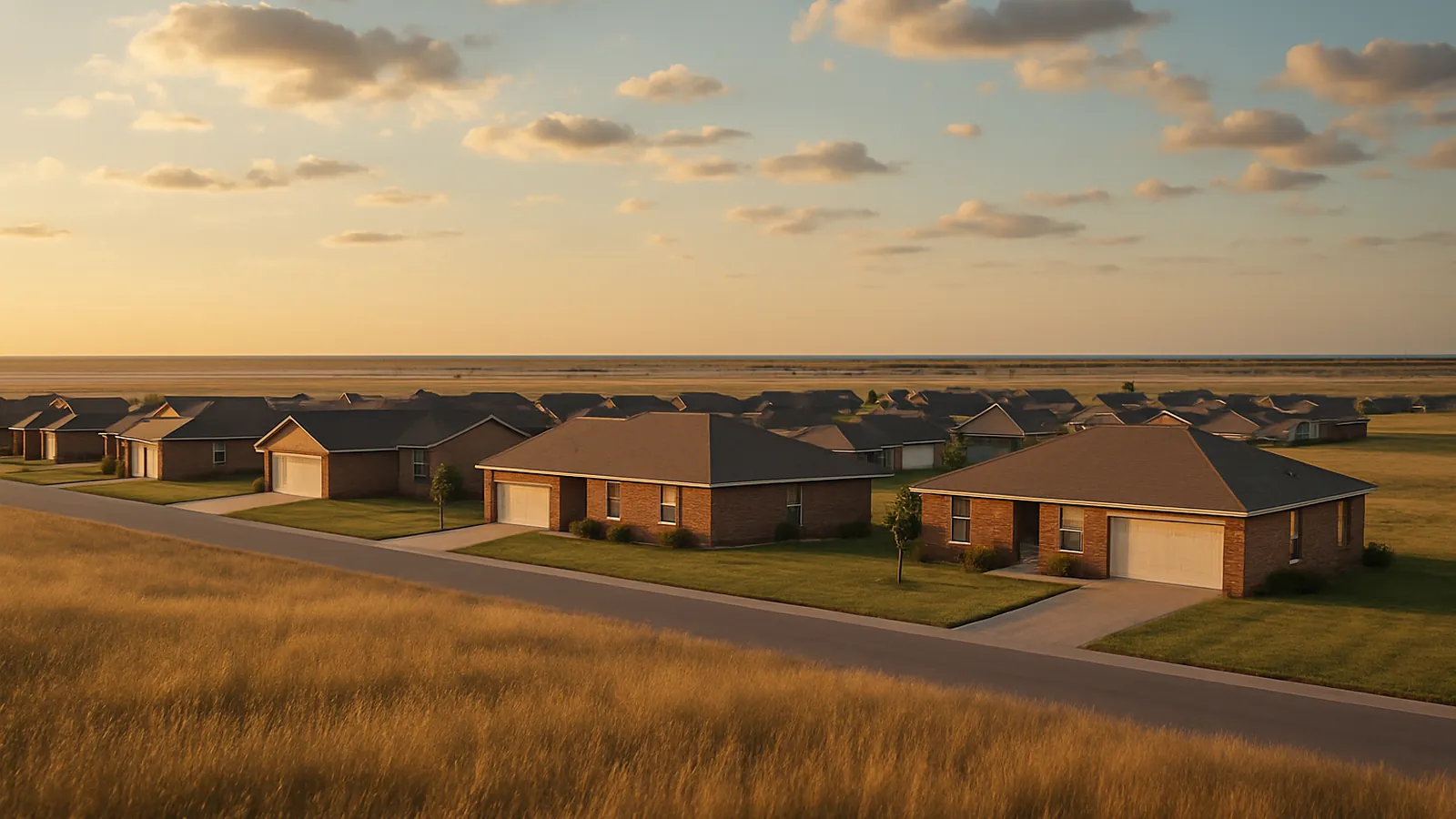
Springdale has a substantial stock of mid-century homes plus a large volume of newer construction from the metro’s growth decades. The older houses show up with slow, long-running movement and cracks that have been quietly widening for years. The newer ones show up with sudden brick cracking in years three through eight, usually over fill that consolidated.
The repairs differ. Long-running settlement over lost support generally needs piers to competent rock; consolidating fill sometimes stabilizes on its own once water is controlled. Elevation readings show which conversation you are having before anyone quotes anything.
Asked in Springdale
How much does foundation repair cost in Springdale?
Most repairs run $4,000-$15,000, with piers commonly $1,200-$3,000 each and drainage correction $1,500-$6,000. Springdale's mix of mid-century and newer housing produces a wide spread, because long-running settlement on an older home and consolidating fill under a newer one carry very different scopes. Ask about any survey charge when the specialist calls.
Do the springs mean my house is at risk?
Not by themselves. Springs indicate the limestone system is present and active, which is true across most of the region. Risk depends on your specific lot: whether water is being concentrated near the foundation, whether soil cover is thin, and what elevation readings show. Presence of karst is context, not a diagnosis.
How soon can you look at it?
A local specialist calls you back to set a time. The visit takes about an hour and includes floor elevation readings across the house, crack measurements, and an exterior water review. You get the numbers in writing whether or not there is work to do.
What a Springdale evaluation includes
Floor elevation readings across the full footprint, crack widths measured and dated, an exterior review of where water is going, and a written assessment naming which mechanism the evidence supports. Ask to keep the document whether or not you hire the specialist.
Get a Fayetteville foundation evaluation
Tell us what the house is doing — a crack that keeps growing, a door that quit latching, a floor that dips toward one corner — so the evaluation starts from what you have seen. A local specialist serving Fayetteville calls you back.