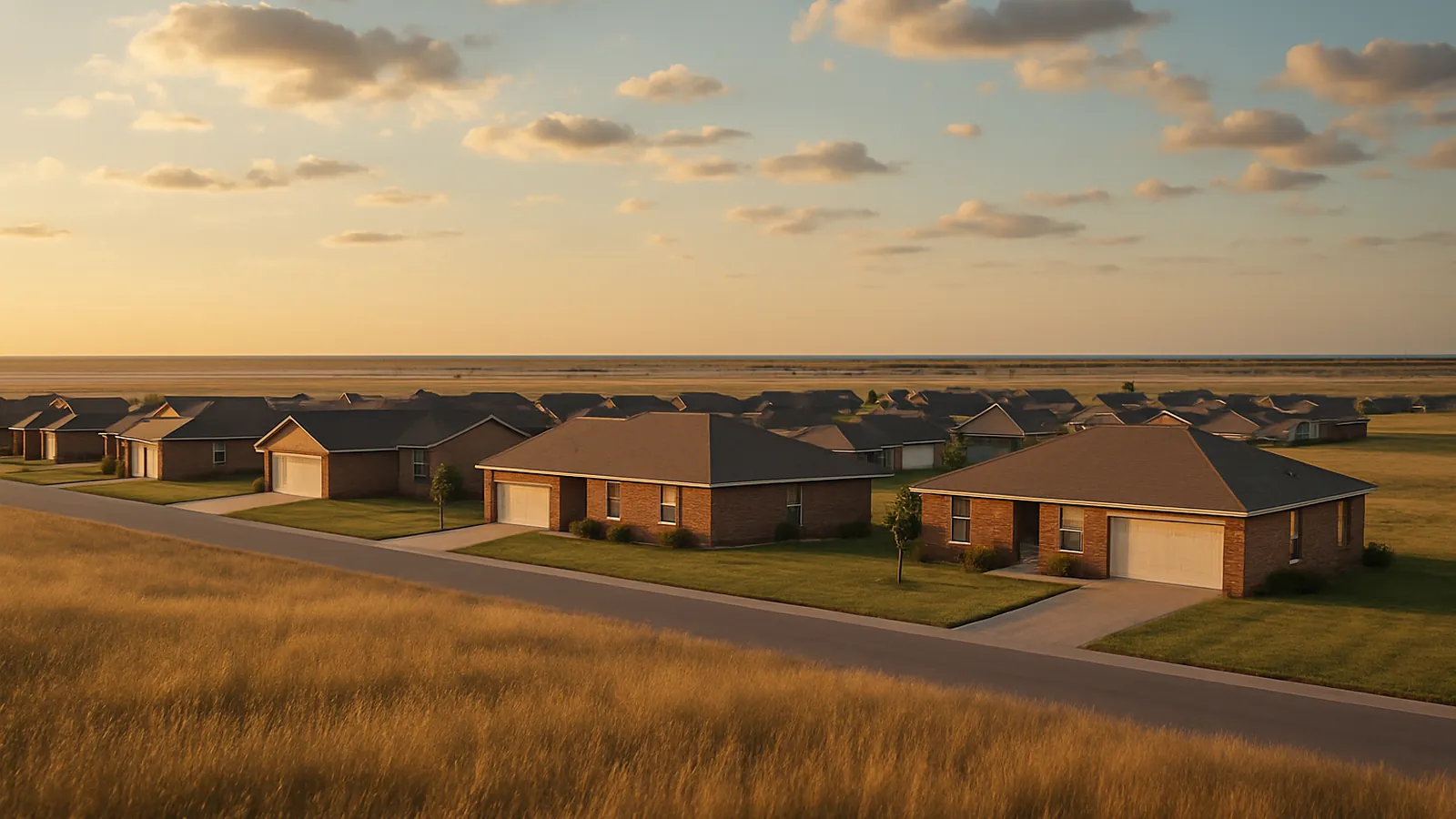
Helical piers in Fayetteville cost $1,400–$3,200 each installed, with most projects landing at $4,000–$15,000. They are screwed into the ground to a measured torque, and because torque correlates to capacity, each pier reports its own bearing — useful where Ozark strata change between piers.
How the torque relationship works, the karst-specific way it can mislead, and when helicals beat push piers.
Torque is a measurement, not a feeling
A helical pier is a steel shaft with one or more helix plates welded to it, turned into the ground by hydraulic equipment. The resistance to turning — installation torque — has a documented empirical relationship to the pier’s ultimate capacity. Every pier therefore produces a number describing the soil it is actually in.
On uniform ground that number is a formality. On the Ozark Plateau, where a soil-filled channel can sit fifteen feet from a limestone pinnacle, it is the closest thing to a soil investigation you get without paying for boring logs. It is the strongest argument for helicals in this specific market.
The karst caveat worth asking about
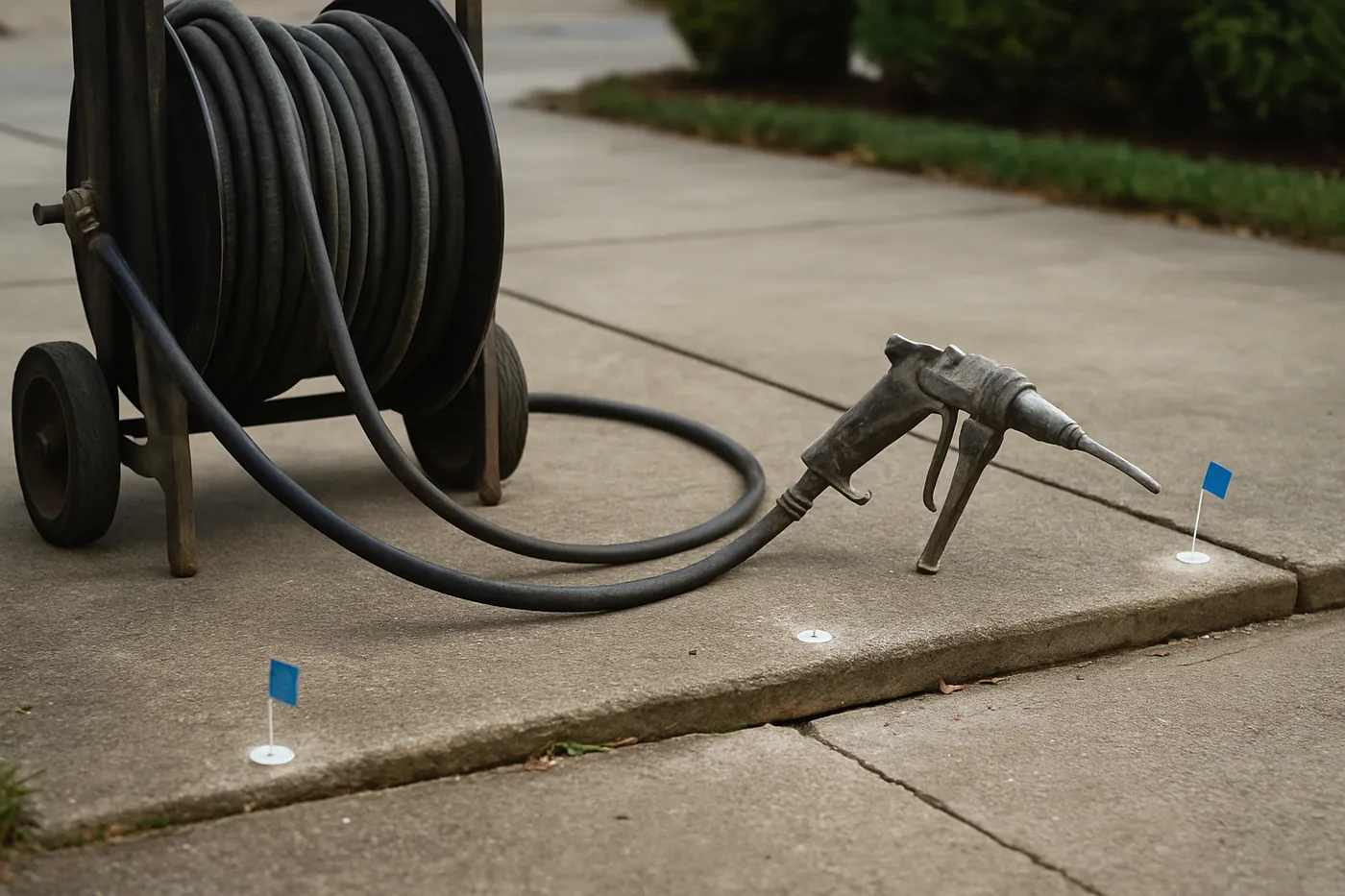
Torque reports resistance, and resistance is not the same as competent bearing. A helix that lands on a thin limestone ledge with an open cavity below can register a convincing spike. Trusting that reading alone is how a pier passes installation and disappoints two winters later.
The safeguards are straightforward and any serious installer will discuss them: continue past a suspicious spike where conditions permit, load test rather than relying on torque alone, and record readings pier by pier so an anomaly is visible on paper instead of buried in a total. Ask a bidder how they handle a spike they do not trust — the answer separates the crews who have worked this ground from the ones who have not.
Helical versus push piers
| Helical piers | Push piers | |
|---|---|---|
| Typical cost | $1,400–$3,200 each | $1,200–$3,000 each |
| How installed | Screwed in to measured torque | Driven with the structure’s weight as reaction |
| Capacity known | During installation, per pier | At refusal, confirmed by load test |
| Needs building weight | No | Yes |
| Best for | Light framing, porches, additions, new construction, variable strata | Heavier brick and masonry homes |
| Weak spot here | Torque spike on a ledge over a void | Refusal on a ledge over a void |
Both methods share the same karst exposure, which is why the question to ask is not which product a company sells but how they verify what they landed on. The piering overview covers what belongs in either bid.
Installing them before there is a house
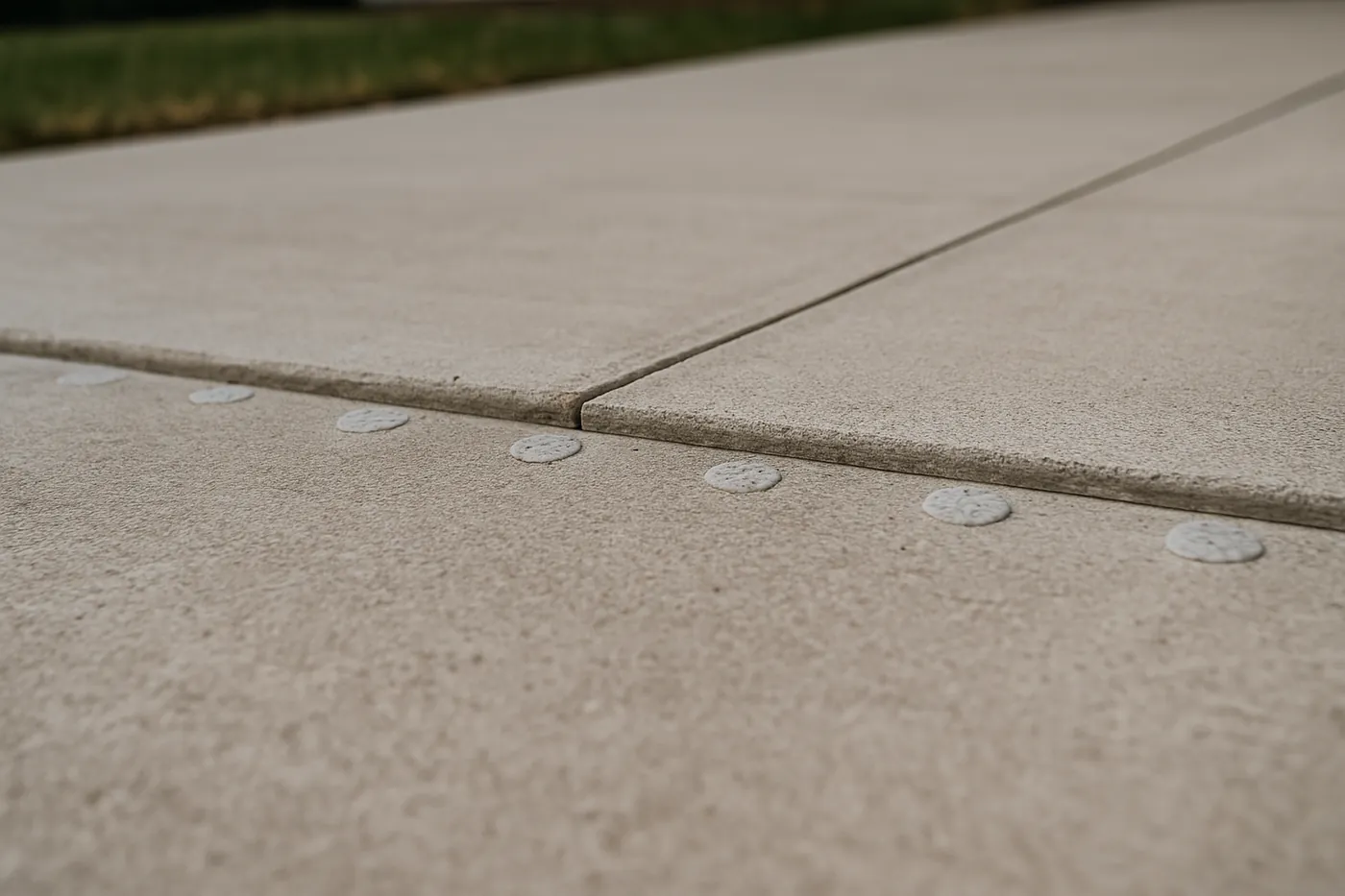
Because helicals do not need structural weight, they can go in during construction. On sloped Northwest Arkansas sites with deep engineered fill on the downhill half, that is a genuinely good purchase: supporting a footing over questionable fill at build time costs a fraction of retrofitting the same support after the house has cracked. If a soils report flagged variable bearing on your lot, this is the conversation to have before the pour, not after.
What the installation looks like
Compact equipment works along the affected footing, which matters on the tight lots common in older Fayetteville neighborhoods. Brackets tie each pier to the footing, load is transferred, and lift is taken in controlled increments if lift is the goal rather than stabilization. Most projects run two to five days. Prices for the whole scope are listed in the cost guide.
Helical pier questions, straight answers
What do helical piers cost in Fayetteville?
Helical piers generally run $1,400-$3,200 each installed, and most Northwest Arkansas homes needing them use somewhere between six and twenty. Total project cost usually lands in the $4,000-$15,000 range. Depth drives the per-pier number, and on this ground depth is discovered during installation rather than known in advance.
Why choose helical piers over push piers here?
Two reasons that matter on Ozark ground. Helicals are advanced by torque, and torque correlates to capacity, so each pier reports what it is finding as it goes - valuable where strata change from one pier to the next. They also do not need the structure's weight for installation, which makes them the option for lighter framing, porches, additions, and new construction.
Can torque readings be misleading in karst?
They can, and a competent installer plans for it. A helix advancing onto a thin limestone ledge with a cavity beneath can produce a torque spike that reads like competent bearing. The safeguards are continuing past a suspicious spike where conditions allow, load testing rather than trusting torque alone, and recording readings pier by pier so anomalies are visible.
How long does a helical pier installation take?
Most residential projects run two to five days depending on pier count and access. Installation is comparatively quiet, uses compact equipment that fits between houses on tight lots, and produces far less spoil than excavation methods. Landscaping disturbance is limited to the working area along the affected footing.
Do helical piers work for new construction?
Helical piers work for new construction, and it is a common use in this region. Because helicals do not rely on structural weight, they can be installed before a house exists - which is why they show up on new builds over questionable fill or where a soils report flagged variable bearing. Installing them at build time costs a fraction of retrofitting the same support later.
Get a Fayetteville foundation evaluation
Tell us what the house is doing — a crack that keeps growing, a door that quit latching, a floor that dips toward one corner — so the evaluation starts from what you have seen. A local specialist serving Fayetteville calls you back.