Homeowners insurance rarely covers foundation repair in Fayetteville, because standard policies exclude earth movement — including settling, sinking, and cracking, and typically sinkhole collapse as well. The exception that pays is damage from a sudden accidental plumbing leak, which requires proof of the water path.
What the exclusion actually says, where the sinkhole question lands in Arkansas, and how a plumbing claim is documented well enough to survive.
The exclusion is broader than most people expect
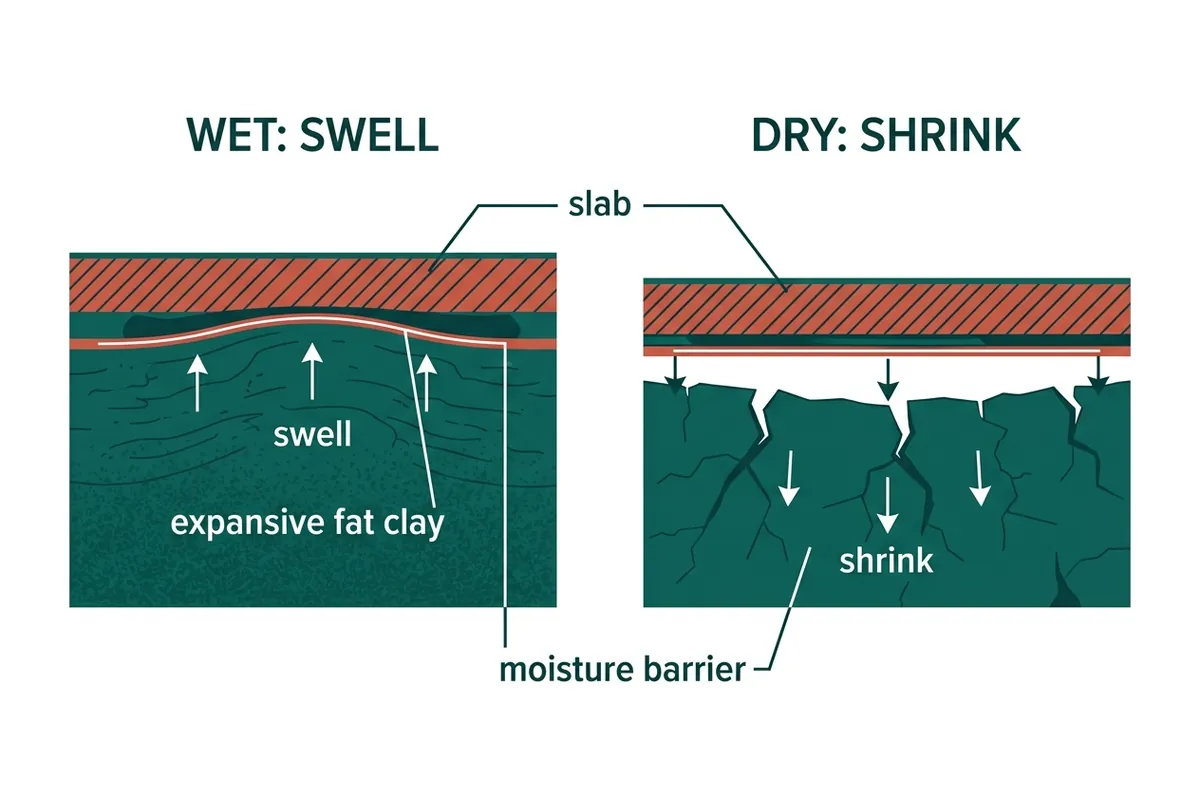
Homeowners policies exclude earth movement, and the definition is written to be comprehensive: earthquake, landslide, mudflow, subsidence, and the settling, cracking, shrinking, bulging, or expansion of foundations. Both Northwest Arkansas mechanisms fall inside it. Soil piping down into Ozark limestone is subsidence. Expansive clay moving a footing is expansion and contraction.
Reading the exclusion yourself is worth twenty minutes. It is normally titled “Earth Movement” in Section I exclusions, and the specific wording of your policy governs — not what a contractor tells you and not what a neighbor got paid for.
Sinkholes, specifically
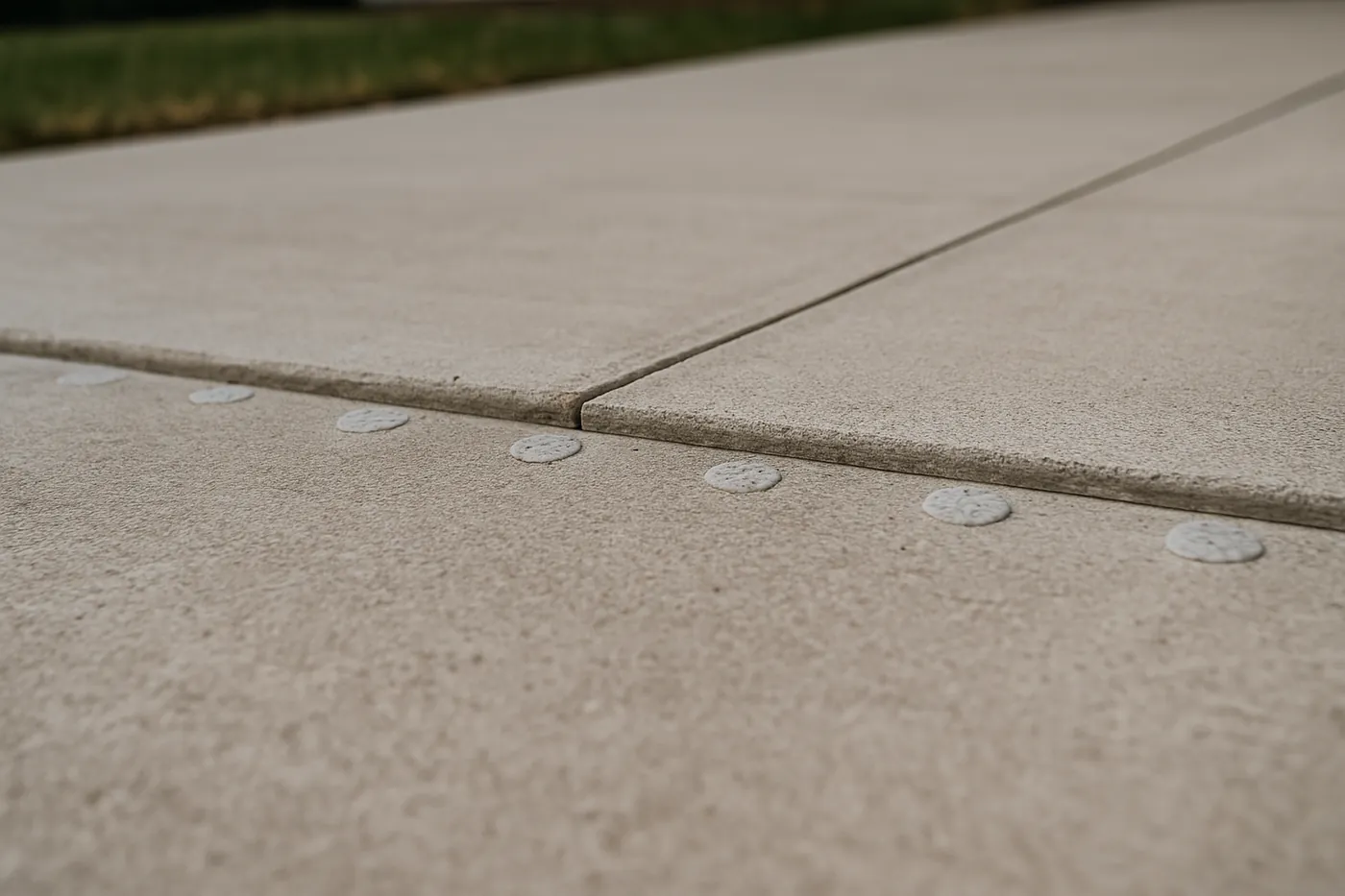
People in karst country reasonably assume sinkhole damage is a covered peril. Under a standard policy it generally is not; sinkhole collapse and subsidence are typically excluded with the rest of earth movement. Some carriers sell a separate catastrophic ground collapse or sinkhole endorsement. A small number of states require insurers to offer that coverage. Arkansas is not one of them, so availability depends on your carrier rather than on state law.
If you own on ground with known karst features, that is a specific question to put to your agent in writing before anything happens — not after. Ask whether an endorsement is available, what it defines as collapse, and what it excludes.
The exception that actually pays
A supply or drain line under the slab fails suddenly, water escapes, and the soil under a footing is undermined. Most policies cover damage caused by sudden and accidental discharge of water, and many cover the tear-out required to access the failed pipe. What they typically do not cover is repairing the pipe itself.
The word doing the work is sudden. A slow seep that has been running for years is often excluded as a long-term leak, so the timing evidence matters as much as the leak evidence.
What a documented claim contains
| Evidence | Why it decides the claim |
|---|---|
| Plumbing leak isolation test | Names the failed line and proves a plumbing cause exists |
| Photographs of saturated soil at the failure | Connects the water to the location of movement |
| Floor elevation readings | Quantifies the damage and shows it centers on the leak |
| Dated crack measurements | Establishes when the movement began |
| Written repair scope with pricing | Gives the adjuster a number to evaluate |
| Your policy’s earth movement wording | Determines which argument is even available |
Order of operations
Establish cause before filing. A floor elevation survey plus, where a leak is suspected, a plumbing isolation test will tell you whether a covered cause plausibly exists. Filing first and investigating later produces denied claims that still attach to the property’s claims history. Ask for the elevation document and the written scope whether or not a claim is involved. Nobody at the evaluation can tell you a claim will be paid. That is between you, your agent, and your policy. What repairs cost without insurance is in the cost guide.
Insurance questions, straight answers
Does homeowners insurance cover foundation repair in Arkansas?
Standard homeowners policies exclude earth movement, which is written broadly enough to include settling, cracking, shrinking, expansion, and sinking of foundations. That exclusion covers most Northwest Arkansas foundation damage, whether the cause is soil loss into karst or expansive clay. The exceptions are narrow but real, and they are worth checking before you write off a claim.
Are sinkholes covered?
Usually not under a standard policy - sinkhole collapse and subsidence are typically excluded alongside other earth movement. Some carriers sell a catastrophic ground collapse or sinkhole endorsement separately. A few states require insurers to offer sinkhole coverage; Arkansas does not, so whether an endorsement is even available to you depends entirely on your carrier.
What foundation damage does get covered?
Damage resulting from a sudden, accidental discharge of water from a plumbing system is the exception that pays most often. If a supply or drain line under the slab fails and the escaping water undermines soil, many policies cover the resulting damage and the tear-out needed to reach the pipe - though usually not repairing the pipe itself. Causation documentation decides these claims.
How do I document a plumbing-related claim?
With evidence gathered before repair work destroys it. That means a plumber's leak isolation test naming the failed line, photographs of the wet soil and the failure point, floor elevation readings tying the movement to that location, and a written scope. Adjusters deny claims that assert a plumbing cause without proving the water path.
Should I file a claim if I am unsure?
Talk to your agent about how your carrier records inquiries before filing. Claims history follows a property, and a denied earth-movement claim can affect future pricing while paying nothing. The reasonable sequence is to establish the cause first with an elevation survey and, where a leak is suspected, a plumbing test - then decide whether a covered cause actually exists.
Get a Fayetteville foundation evaluation
Tell us what the house is doing — a crack that keeps growing, a door that quit latching, a floor that dips toward one corner — so the evaluation starts from what you have seen. A local specialist serving Fayetteville calls you back.