
Foundation repair in Farmington costs $4,000–$15,000 in most cases. On the flatter ground west of Fayetteville, clay that swells and shrinks is the usual driver and soil lost into rock openings the rarer one, and a few months of crack measurements often tell you which before anyone quotes.
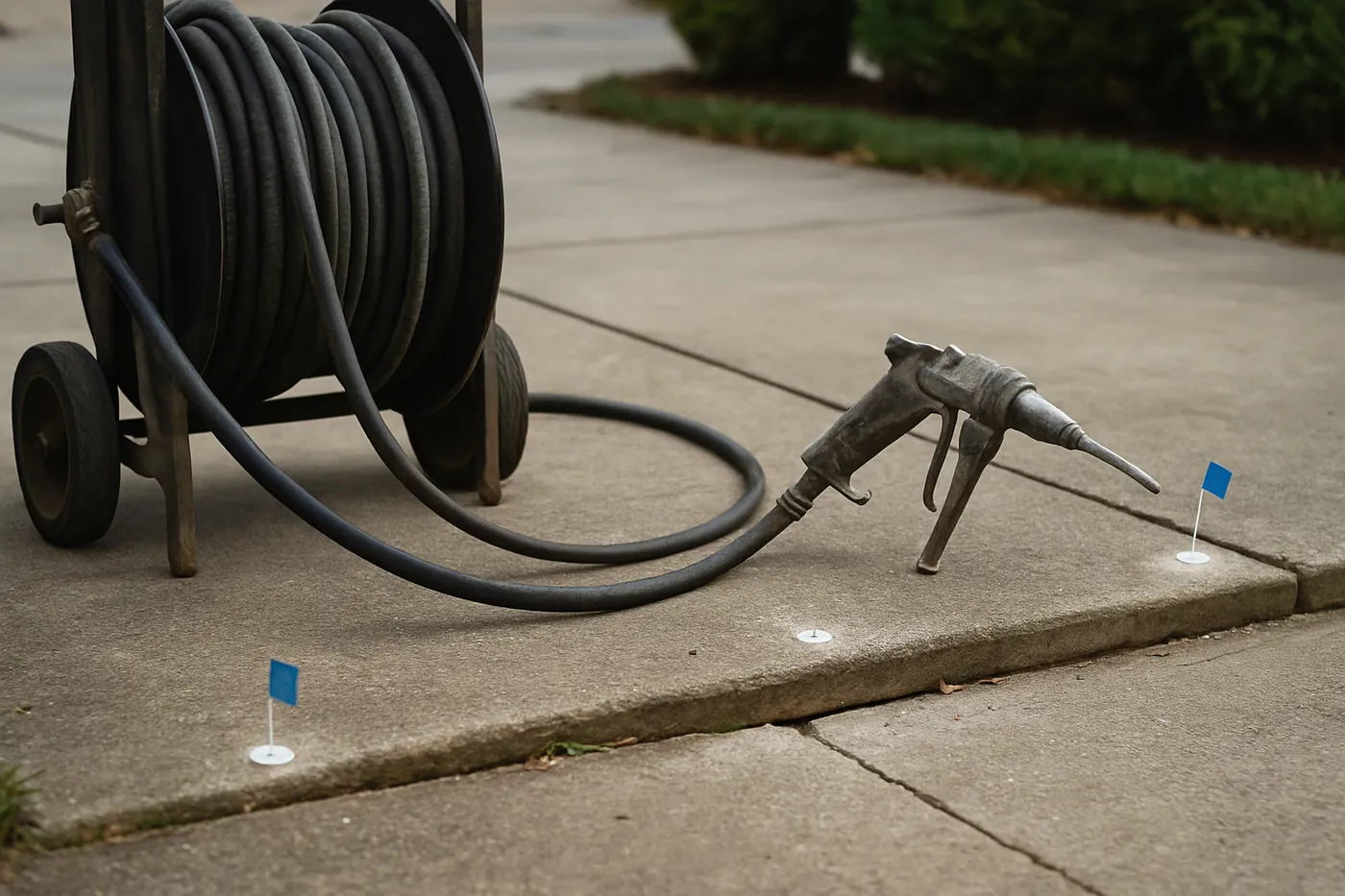
Flatter ground, different driver
Farmington sits west of Fayetteville where the land opens up and flattens relative to the hills east of town. On this kind of ground the dominant foundation driver shifts. Slope-concentrated runoff matters less; soil that swells when wet and shrinks when dry matters more.
Clay-driven movement has a distinctive signature: it reverses. Doors that bind in late summer and work fine by spring, cracks that widen through a dry stretch and close after a wet one. That seasonal breathing is genuinely good news, because it means support has not been lost. The soil is simply moving, and moisture management often addresses it.
How to prove it before you buy a repair
Mark both ends of your worst crack with a dated pencil line and write the width beside it. Repeat monthly for three months. If the number goes up and down, you have clay. If it only goes up, you have something that needs support.
That three-month record costs nothing and is more diagnostic than any single visit. The crack repair page explains what each pattern means, and the settlement page covers what an elevation survey adds on top of it.
Asked in Farmington
How much does foundation repair cost in Farmington?
Most repairs run $4,000-$15,000, though a meaningful share of Farmington calls turn out to be moisture-driven movement that reverses seasonally. Where that is the case, drainage and moisture management at $1,500-$6,000 addresses the complaint without structural work. The elevation survey shows which category you are in.
My doors stick every August and work fine in spring. Is that serious?
That reversal is characteristic of clay responding to moisture rather than a house losing support. It is a maintenance problem, not usually a structural one. Keep watching it: clay movement that stops reversing, or cracks that widen without recovering, is the change that warrants a fresh look.
Do I need a repair or just monitoring?
Elevation readings answer it. If the floor measures close to flat across the footprint and your cracks breathe with the seasons, monitoring plus water control is the honest recommendation, and that is what should go in writing. Real drop across the house is what justifies piers.
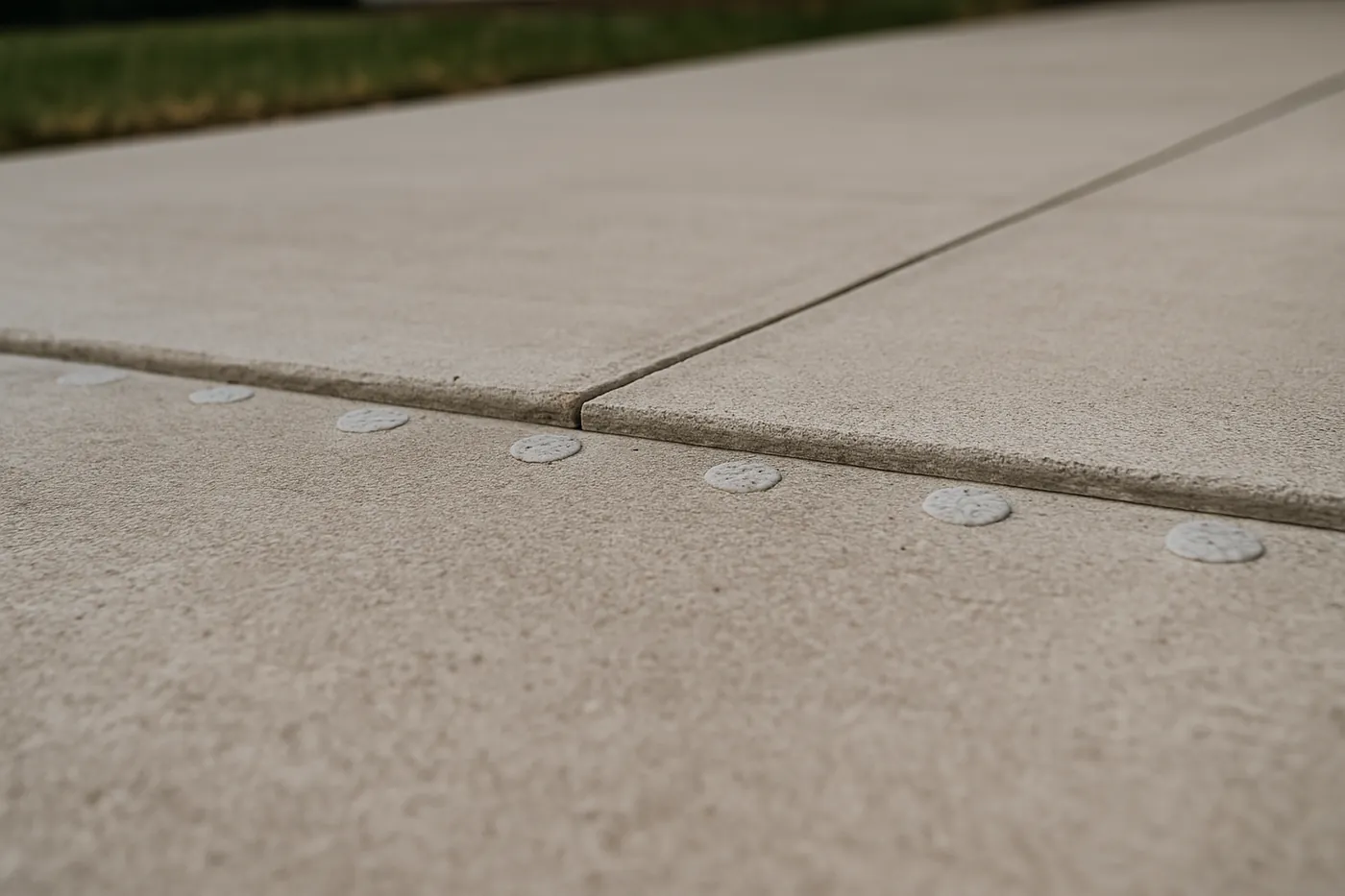
A growing town with recent housing
About half of Farmington's housing has been built since 2000. The Census Bureau's 2020-2024 American Community Survey counts roughly 3,600 units, with a median year built of 2001; the 2010s are the biggest decade at about 24%, and about 9% have gone up since 2020. Homes from before 1970 are around 12%. Newer slabs on graded lots can show fill settling in their first decade, so the crack log described above is worth starting early.
Codes and permits
Farmington's building office issues building, electrical, mechanical and plumbing permits, along with certificates of occupancy and demolition permits. The city works from the 2021 Arkansas Fire Prevention Code, which takes in the 2021 International Building and Residential Codes. Ask that office whether a pier or slab repair on your house needs a permit, and get the answer before the work is scheduled.
Water on flat ground
Flat lots do not shed water on their own, which is why grade around the house matters even where the land looks level. A yard that holds puddles for a day after rain is keeping the clay under the slab wet on one side and dry on the other, and that difference is what moves a slab.
Get a Fayetteville foundation evaluation
Tell us what the house is doing. A crack that keeps growing, a door that quit latching, a floor that dips toward one corner, so the evaluation starts from what you have seen. A local specialist serving Fayetteville calls you back.