
Expect foundation repair in Prairie Grove to cost $4,000–$15,000. Much of the movement on this deeper prairie soil is seasonal and reverses, which points to moisture management; movement that only goes one way points to lost bearing. Drainage and structural work are priced as separate items.
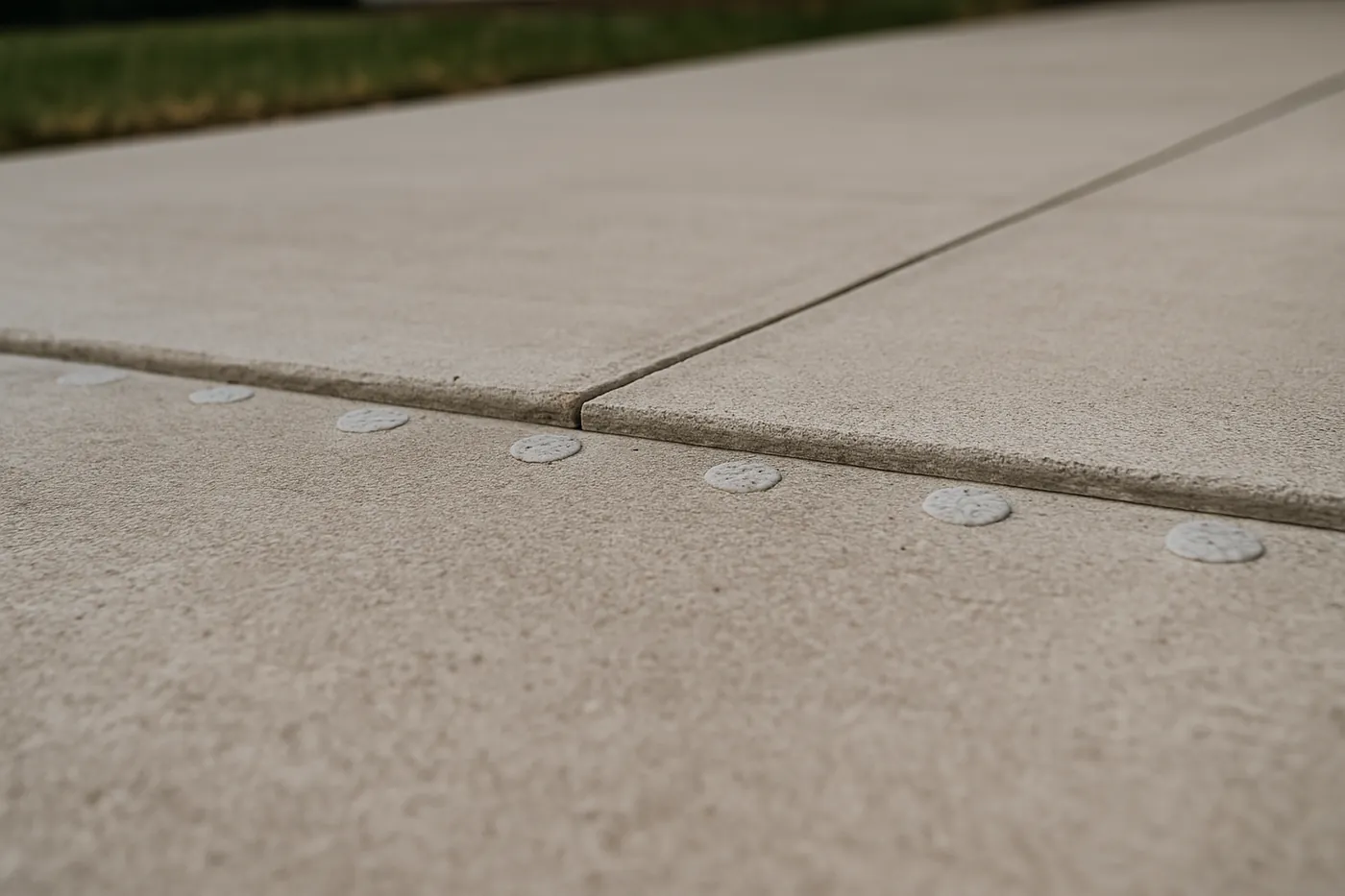
The name describes the soil
Prairie Grove sits on the open ground its name refers to, southwest of Fayetteville. Prairie soils behave differently from the thin cover over limestone found on the uplands: there is generally more of it, it holds moisture differently, and where clay content is high it participates in the seasonal wet-dry cycle rather than washing away.
Practically, that shifts what to look for. Instead of hunting for lost support, the first question on many Prairie Grove houses is whether the movement reverses. Reversing movement is a moisture problem. Movement that only goes one direction is a bearing problem, and the repairs are not interchangeable.
Older housing near the historic core
Homes in and around the older part of town carry the usual older-house variables: shallow original footings, additions built to a different standard than the original structure, and grading that successive owners have altered without anyone tracking the cumulative effect.
Additions are worth singling out, because an addition on its own footing frequently moves independently of the house it is attached to. The crack at that junction is often the first thing an owner notices. Helical piers are commonly the right answer there, since a light addition cannot supply the reaction weight a driven pier needs.
Asked in Prairie Grove
How much does foundation repair cost in Prairie Grove?
Most repairs run $4,000-$15,000, piers commonly $1,200-$3,000 each. Older homes near the historic core sometimes need less than owners expect because the movement is old and stable rather than active. Dated crack measurements over a few months are what distinguish finished movement from ongoing movement.
The crack is at the addition. Why there?
Because an addition usually sits on its own footing and moves independently of the original house. The junction between two structures with different footings, different ages, and different loads is where the difference shows up. It is a common Prairie Grove complaint and it is fixable.
Can an addition be supported without piering the whole house?
An addition can be supported without piering the whole house, and that is often the correct scope. If elevations show the original structure is stable and only the addition has dropped, supporting the addition is the repair. Helical piers suit this well because light additions cannot supply the reaction weight a driven pier needs.
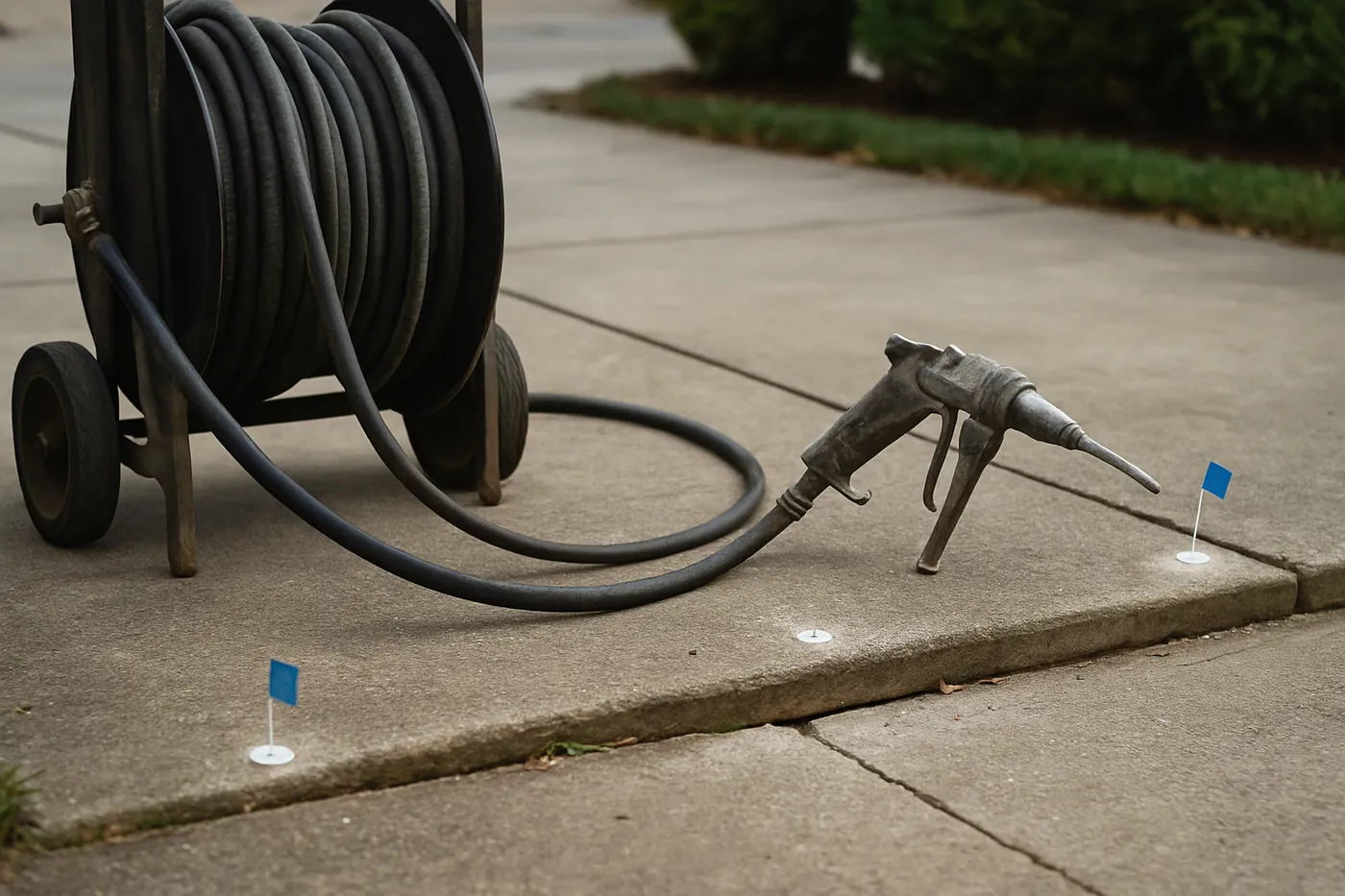
Old core, new edges
Prairie Grove has about 2,900 housing units in the Census Bureau's 2020-2024 estimates, and its median home was built in 2002. The 2010s are the largest decade at about 29%, and the 2000s add another 22%. Yet roughly 4% of homes date from before 1940 and about 15% from before 1970, which is the older housing near the historic core described above. Those two groups have almost nothing in common below the floor.
A house from the 2010s is likely on a slab poured over a graded pad, where any movement is usually fill settling in the first decade. A pre-war house more often has shallow original footings and decades of yard changes around it, and it rewards a full elevation survey rather than a look at the worst crack.
Ask the city first
Prairie Grove is an incorporated city, so start with city hall. Call before scheduling a repair and ask whether a building permit and inspection apply to your scope, particularly for work on an addition or a new footing.
Get a Fayetteville foundation evaluation
Tell us what the house is doing. A crack that keeps growing, a door that quit latching, a floor that dips toward one corner, so the evaluation starts from what you have seen. A local specialist serving Fayetteville calls you back.